
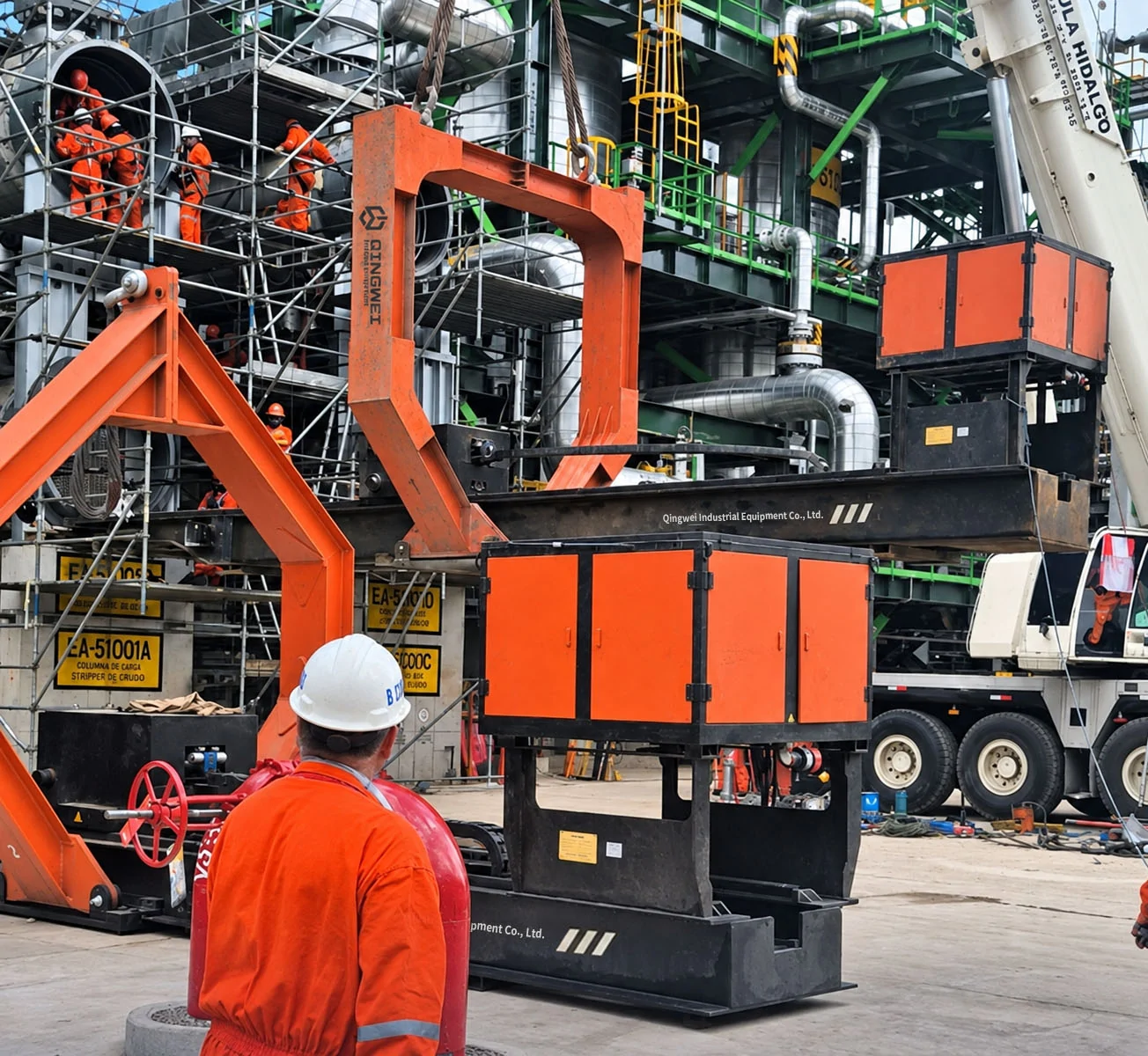
A bundle puller price is only meaningful when the machine capability and quotation scope are clearly defined. Two suppliers may quote different totals because one price covers only the core machine while another includes controls, extensions, testing, export packing, freight, commissioning or training.
This guide focuses on how buyers can normalize supplier scope, compare bundle puller quotations line by line and estimate total landed cost before issuing a purchase order. For a general explanation of the technical factors behind equipment cost, see our guide to tube bundle extractor price factors.
A machine selected for a 25-ton tube bundle is not equivalent to one configured for a 125-ton bundle. Pulling force, bundle dimensions, working clearance, control requirements and acceptance scope all influence the quotation. The useful procurement question is not only, “What is the lowest price?” It is: What configuration will cover the required exchangers, what is included, and what additional costs remain with the buyer?
Why Bundle Puller Price Quotes Are Not Directly Comparable
A tube bundle extractor is selected around a real heat exchanger and a real maintenance environment. Even projects with similar bundle weights may require different equipment because breakaway resistance, tube sheet diameter, bundle length, exchanger elevation or available extraction space differs.
The quotation normally reflects four layers of scope:
- Core machine capability — rated bundle load, maximum pulling force, applicable diameter and working length.
- Project configuration — power arrangement, controls, extensions, support and site-specific options.
- Verification and documentation — agreed factory checks, inspection records, manuals and customer documentation.
- Delivery and support — packing, freight basis, commissioning, training and spare parts.
An advertised equipment price may cover only the core machine. Another quotation may include extensions, remote controls, factory acceptance work, export packing and spare parts. Comparing only the total on the last page can therefore lead to the wrong conclusion.
What a Complete Bundle Puller Price Should Include
Rated Bundle Load
A heavier bundle requires an appropriately rated structure and handling system. The buyer should provide the maximum bundle weight, including the heaviest exchanger the equipment is expected to cover.
Required Pulling Force
Initial breakaway resistance can be higher than the bundle weight because of fouling, corrosion, sticking or alignment conditions. Previous extraction history, known difficult pulls and the best available force estimate all help define the correct configuration.
Tube Sheet Diameter and Bundle Length
The applicable diameter affects frame geometry, engagement and support configuration. Longer bundles require suitable machine length or modular coverage. Provide the tube sheet diameter, overall bundle length and required extraction distance.
Working Height and Site Clearance
Restricted access or elevated exchangers may require a different handling plan or project-specific interfaces. Exchanger centreline height, clear extraction space, access route and site photos are therefore important quotation inputs.
Power and Controls
The selected power arrangement and local, wired or wireless controls affect the final equipment scope. Buyers should describe the available site utilities, operating environment and preferred control method.
Safety and Project Requirements
Hazardous-area rules, site standards or customer-specific component requirements may affect configuration. The site classification and written safety specification should be reviewed before the equipment scope is finalized.
Testing and Documentation
Customer-witnessed checks, agreed verification and additional document packages require planning and labour. State the required inspection and documentation scope before the supplier prepares the final quotation.
Packing, Delivery and Support
Export packing, inland transport, ocean freight, insurance, commissioning, training and spare parts are separate scope items. Confirm the destination, preferred Incoterm, required delivery date and support expectations.
Bundle Capacity and Pulling Force Are Not the Same
This is one of the most important points when reviewing a tube bundle extractor cost.
Rated bundle load describes the bundle weight that the equipment is configured to handle. Maximum pulling force describes the force available to start and control extraction. They are related, but they are not interchangeable.
For example, Qingwei’s BE45 standard configuration has a rated bundle load of 45 T and a maximum pulling force of 60 tf (588 kN). The higher pulling-force value provides for extraction resistance, but final selection still depends on the actual exchanger, bundle condition and site arrangement.
Resistance may increase because of:
- accumulated scale or process deposits;
- corrosion between the bundle and shell;
- long intervals since the previous extraction;
- distorted or poorly aligned components;
- initial breakaway resistance;
- inadequate support or an unsuitable pulling angle.
Selecting only by bundle weight can result in insufficient pulling capability. Selecting a much larger machine without considering access, lifting and working space can also create unnecessary cost. The objective is a configuration that covers the required duty with an appropriate operating margin.
For a more detailed technical explanation, see the tube bundle extractor pulling-force selection guide.
How Capacity Class Changes a Bundle Puller Quote
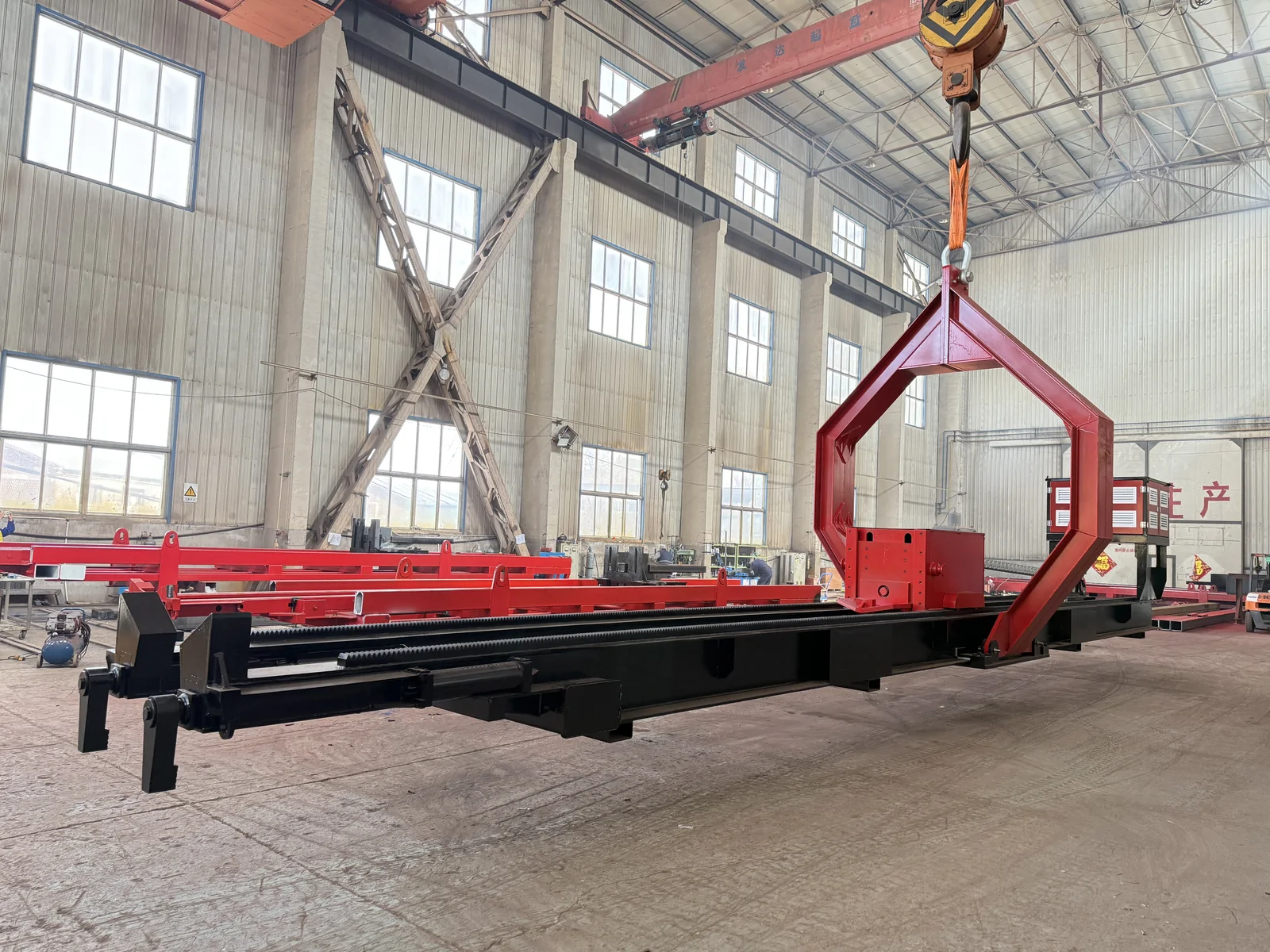
The following Qingwei diesel models illustrate why pricing changes across capability levels. These figures are for preliminary selection. Final configuration must be confirmed against the actual bundle and project data.
- BE25: rated bundle load 25 T; maximum pulling force 35 tf (343 kN); applicable tube sheet diameter Ø1,600–1,800 mm; standard reference length 7 m; modular coverage 6–9 m.
- BE45: rated bundle load 45 T; maximum pulling force 60 tf (588 kN); applicable tube sheet diameter Ø2,000–2,500 mm; standard reference length 9 m; modular coverage 8–12 m.
- BE65: rated bundle load 65 T; maximum pulling force 70 tf (687 kN); applicable tube sheet diameter Ø2,500–3,000 mm; standard reference length 10 m; modular coverage 9–13 m.
- BE100: rated bundle load 100 T; maximum pulling force 100 tf (981 kN); applicable tube sheet diameter Ø2,500–3,000 mm; standard reference length 12 m; modular coverage 10–15 m.
- BE125: rated bundle load 125 T; maximum pulling force 125 tf (1,226 kN); applicable tube sheet diameter Ø2,500–3,000 mm; standard reference length 12 m; modular coverage 10–15 m.
A higher-capacity model is not simply the same machine with a larger label. Structural capacity, pulling system, physical size and supporting configuration change with the intended duty. This is why the correct model should be selected before a meaningful price comparison is made.
Buyers can review the current tube bundle extractor range or Qingwei’s main tube bundle extractor models before preparing an enquiry.
Standard Scope Versus Project-Specific Options
A standard model is usually the most efficient starting point when the exchanger data falls within an established range. It provides a clear technical baseline and reduces unnecessary engineering work.
Project-specific configuration may be required when the application includes:
- an unusual tube sheet diameter or bundle length;
- restricted extraction space;
- an elevated or difficult-to-access exchanger;
- special lifting or handling interfaces;
- a specific local, wired or wireless control arrangement;
- customer-defined safety requirements;
- additional inspection, documentation or acceptance requirements;
- transport dimension or packing restrictions.
Customization should solve a verified site requirement. It should not be added simply to make a specification look more comprehensive. A good supplier will separate the standard equipment scope from optional and project-specific items so the buyer can understand the effect of each choice on price.
How to Compare Bundle Puller Quotes Line by Line
Two quotations with similar totals may cover different machines. Two quotations with different totals may become much closer after missing scope is added. Before comparing price, align the following items:
- Capability: Are rated bundle load and maximum pulling force both stated and clearly distinguished?
- Working envelope: Does the quotation state applicable tube sheet diameter, bundle length and modular coverage?
- Included equipment: Are extensions, controls, connection components, tools and accessories itemized?
- Testing: What factory checks are included, and what evidence will be supplied?
- Documentation: Are operating manuals, maintenance information, drawings and inspection records included?
- Packing: Is export packing included, and is the packing method suitable for the planned transport?
- Delivery basis: Is the price EXW, FOB, CIF or another Incoterm, and which charges remain with the buyer?
- Service: Are commissioning, operator training and technical support included or optional?
- Spare parts: Is a recommended start-up or critical spare-parts package identified?
- Exclusions: What is specifically not included in the supplier’s scope?
This comparison is more useful than placing several headline prices side by side. It also reduces the risk of discovering missing items after the purchase order is issued.
From Purchase Price to Total Landed Cost
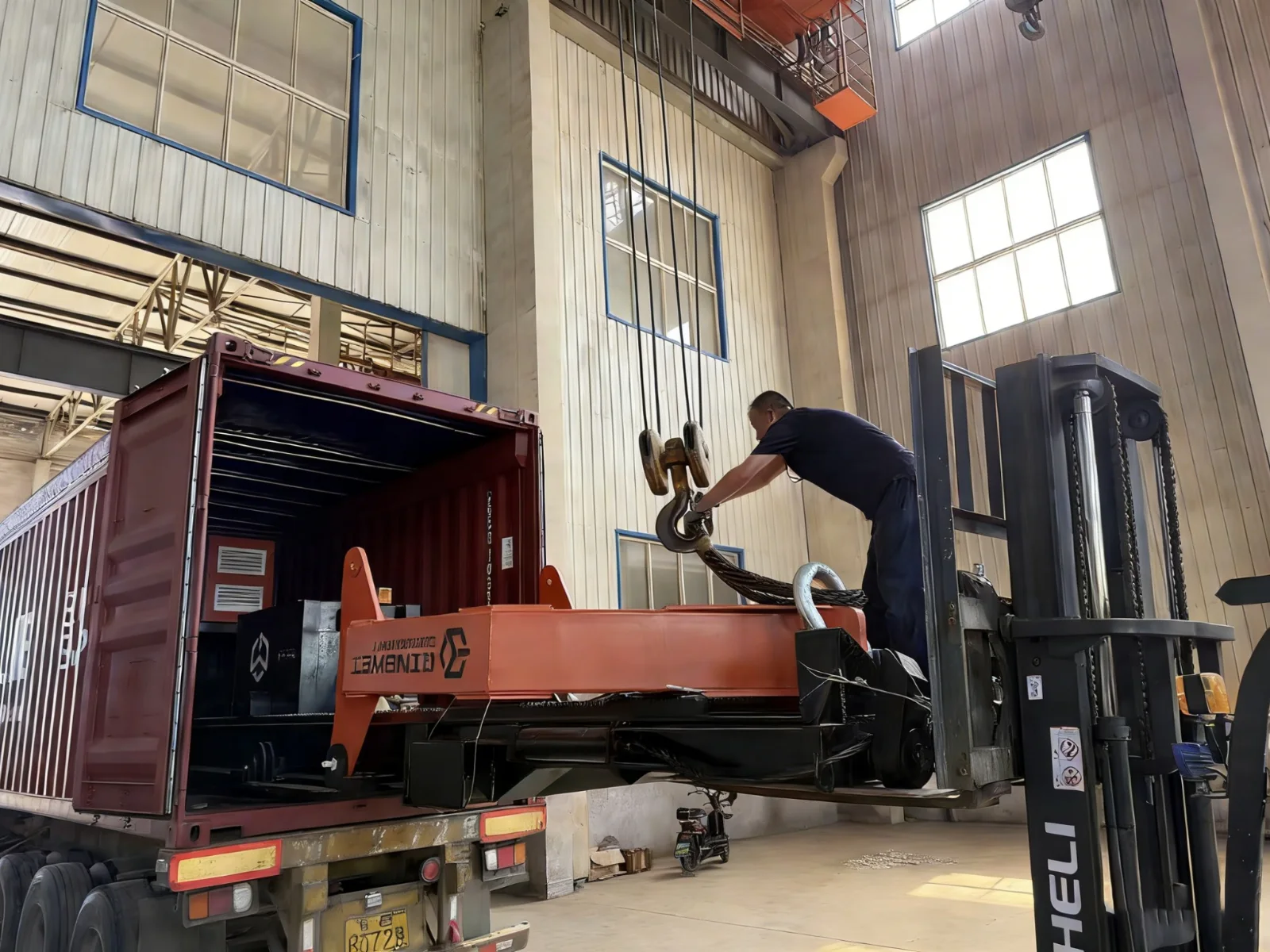
The purchase price is only one part of the project budget. A practical comparison considers equipment, project options, inspection and documentation, packing and freight, import costs, commissioning, training, planned spares and maintenance.
For a contractor serving multiple sites, equipment coverage and mobilization requirements may be especially important. For a refinery purchasing for its own turnaround programme, readiness, documentation and spare-parts planning may carry greater weight.
The lowest initial quotation can become more expensive if it requires unplanned site modification, separate accessory purchases, repeat shipping or avoidable waiting during a shutdown. Conversely, over-specifying capacity and options that the project does not require can tie up capital without improving the maintenance result.
The most economical choice is therefore the correctly sized machine with a clearly defined supply scope—not automatically the smallest number on the quotation.
RFQ Data Needed for an Accurate Bundle Puller Price
An initial budgetary discussion can start with basic data, but an accurate quotation should be based on the actual application. At minimum, provide:
- maximum tube bundle weight;
- bundle length;
- tube sheet diameter;
- exchanger centreline height;
- available extraction distance and surrounding clearance;
- exchanger drawing or data sheet, if available;
- site photos showing access and working space;
- previous extraction history or known difficult conditions;
- project location and operating environment;
- available lifting equipment;
- required control or safety provisions;
- destination, preferred Incoterm and required delivery date;
- requested inspection, documentation, training and spare-parts scope.
If the machine must cover several exchangers, provide a schedule listing the maximum weight, diameter, length and centreline height for each unit. Qingwei can then review whether one configuration can reasonably cover the group.
For a more detailed planning reference, use the tube bundle extractor RFQ checklist.
Bundle Puller Price Red Flags Buyers Should Check
Price matters, but industrial maintenance equipment should be evaluated on documented capability and complete scope. A professional supplier should be able to explain:
- why a particular model is recommended;
- how bundle load and pulling force were evaluated;
- which exchanger dimensions the configuration covers;
- what is included, optional and excluded;
- how the equipment will be checked before shipment;
- what information and support will be available for first use.
Be cautious when an attractive price is not supported by a model designation, technical data, scope list or delivery basis. The buyer should be able to trace the quoted figure to a specific configuration.
Frequently Asked Questions
What should a complete bundle puller price quotation include?
A complete quotation should identify the recommended model, rated bundle load, maximum pulling force, working envelope, included equipment, controls, testing, documentation, packing, delivery basis, service scope, optional items and exclusions. Without this information, two headline prices cannot be compared reliably.
Why do bundle puller prices vary so much online?
Listings may refer to different capacity classes or may exclude essential equipment, extensions, controls, testing, export packing, freight and service. Some prices may also be placeholders rather than a complete project quotation. Compare technical capability and included scope before comparing totals.
Does a higher bundle weight always require the same increase in pulling force?
No. Required pulling force is affected by fouling, corrosion, sticking, alignment and extraction history as well as bundle weight. Rated bundle load and maximum pulling force should be evaluated separately.
Can one tube bundle extractor serve several heat exchangers?
It may be possible when all exchanger bundles fall within the machine’s confirmed load, pulling-force, diameter and length ranges and the site access conditions are compatible. Provide an exchanger schedule so the complete duty can be reviewed.
Does the power configuration affect the quotation?
Yes. Power and control arrangements change the equipment scope and supporting components. The appropriate option should be selected according to the site utilities, work location and operating requirements rather than price alone.
Are freight, commissioning and spare parts included in the quoted price?
Only if they are stated in the quotation. Confirm the Incoterm, packing scope, freight responsibility, commissioning or training services and spare-parts package before comparing suppliers.
What is the fastest way to receive an accurate quote?
Send the bundle weight, length, tube sheet diameter, exchanger drawing, centreline height, available working clearance, site photos, destination and required delivery date. Also state any safety, inspection, documentation or service requirements.
Request an Itemized Bundle Puller Quote
A useful quotation should identify the recommended model, technical capability, included equipment, options, delivery basis and exclusions—not only a total price.
Send Qingwei your maximum bundle weight, tube sheet diameter, bundle length, exchanger drawing, working clearance, site photos, destination and required delivery date. Our team will review the application and prepare an itemized, project-specific proposal.